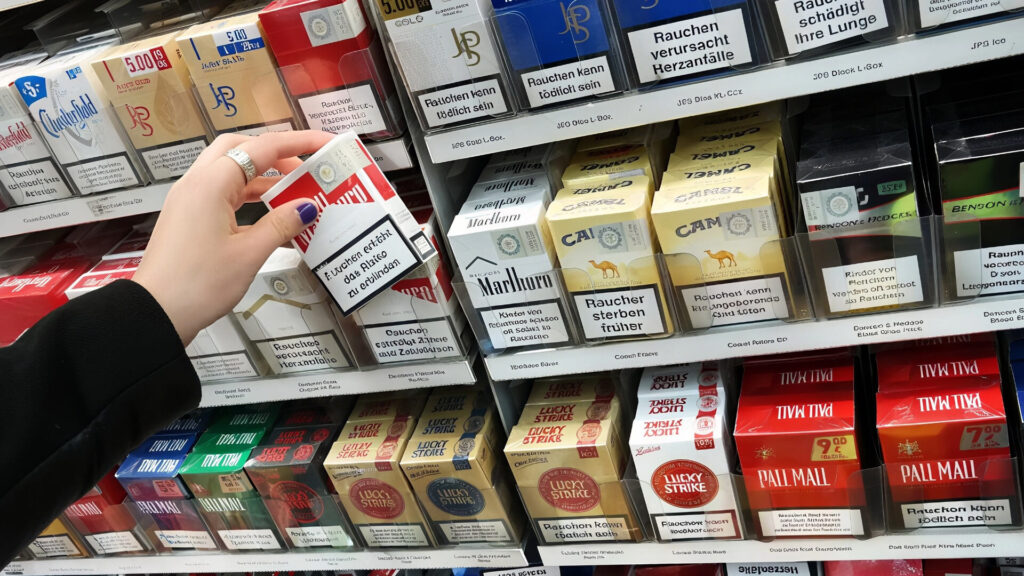
Cigarette packs carry more than just the brand logo and health warnings — they also feature important codes such as barcodes and bottom markings. These codes play a crucial role in product identification, authenticity verification, inventory management, and regulatory compliance.
Understanding these codes is essential not only for consumers but also for brands and retailers. Consumers can use these codes to verify the authenticity of their cigarettes and check production details. Brands rely on accurate coding to protect their products from counterfeiting and ensure smooth supply chain operations. Retailers use these codes to manage stock efficiently and meet legal requirements.
As a leading provider of custom cigarette packaging solutions, Ruenfo offers a comprehensive, one-stop service that covers everything from design, barcode and bottom code generation, to packaging production and shipping. This guide aims to demystify cigarette barcodes and bottom codes, helping you understand what these codes are, how to read them, and why they matter — whether you’re a consumer, brand owner, or retailer.
What Is a Cigarette Barcode?
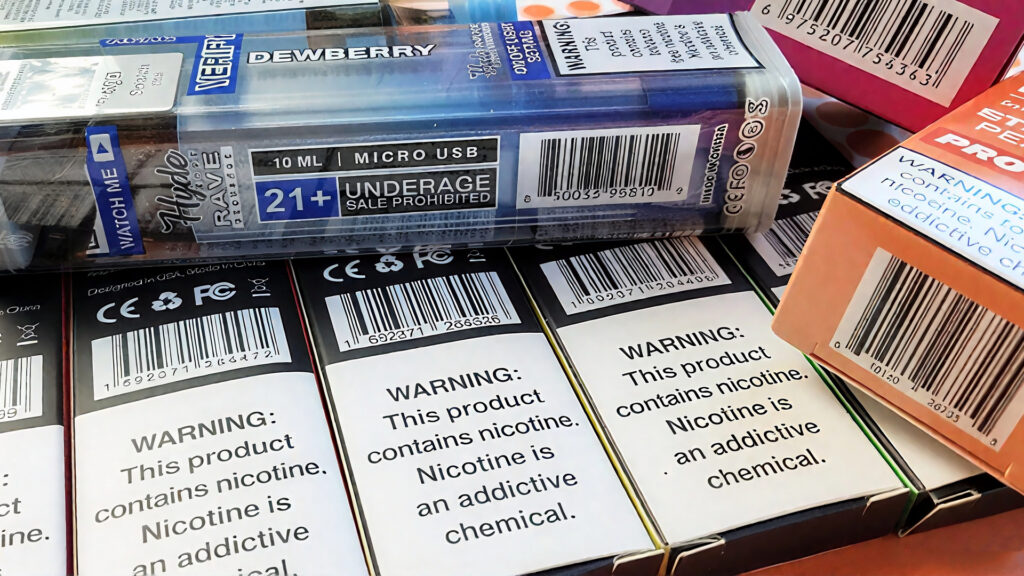
A barcode is a machine-readable pattern of lines and spaces that encodes information about a product. It allows quick and accurate scanning to identify the product, track inventory, and facilitate sales processes.
There are several common types of barcodes used worldwide, with EAN-13 (European Article Number) and UPC (Universal Product Code) being the most popular for consumer goods, including cigarettes. The EAN-13 barcode consists of 13 digits and is widely used internationally, while the UPC usually has 12 digits and is common in North America.
On cigarette packaging, barcodes serve multiple essential functions:
- Product Identification: Barcodes provide a unique identifier for each cigarette product, enabling retailers and supply chains to distinguish between brands, variants, and pack sizes.
- Anti-counterfeiting: Barcodes help in verifying the authenticity of the product, reducing the risk of counterfeit cigarettes entering the market.
- Inventory Management: By scanning barcodes, retailers and distributors can efficiently track stock levels, manage orders, and streamline sales data.
In summary, cigarette barcodes are a vital tool that connects the physical product with digital information, ensuring smooth operations from production to the consumer.
Understanding the Codes on the Bottom of a Cigarette Pack

Apart from the barcode, cigarette packs usually have additional codes printed on the bottom or back of the packaging. These bottom codes contain vital information such as the manufacturing batch number, production date, and factory identification code.
What Are Bottom Codes?
Bottom codes are typically alphanumeric markings that manufacturers use to track production details. They help in identifying when and where the cigarettes were made, which batch they belong to, and sometimes include quality control information.
How Are Bottom Codes Different from Barcodes?
While barcodes are standardized, machine-readable codes used primarily for sales and inventory, bottom codes serve as internal tracking marks mainly used by manufacturers, regulators, and sometimes consumers. Unlike barcodes, bottom codes are often printed in plain text or with simple codes and are not scanned at retail points.
Variations Across Brands and Regions
Different cigarette brands and countries may use varying formats for bottom codes. For example, some might use date codes in a YYMMDD format, while others might encode the batch number and factory code differently. Regulations in certain markets may also dictate how these codes should appear to comply with local laws and anti-counterfeit measures.
Understanding these bottom codes is important for verifying product authenticity, managing recalls, and ensuring traceability throughout the supply chain.
How to Read a Cigarette Barcode

Cigarette barcodes may look like simple lines, but they actually contain a wealth of information encoded in a standardized format. Understanding the components of a barcode helps you know what data it holds and how it can be used.
Components of a Barcode
Most cigarette barcodes use the EAN-13 format, which consists of 13 digits divided into several parts:
- Country Prefix: The first 2 or 3 digits represent the country where the barcode was issued, not necessarily where the product was made.
- Manufacturer Code: The next set of digits identifies the manufacturer or brand owner.
- Product Code: Following the manufacturer code, this section specifies the particular product, such as the cigarette variant or pack size.
- Check Digit: The final digit is a checksum used to verify the barcode’s accuracy when scanned.
What Information Can You Get by Scanning?
When scanned, the barcode reveals the product’s unique identification number, which retailers use to retrieve price, stock, and product details from their databases. Some advanced systems link the barcode to supply chain tracking and authenticity verification.
Using Barcodes to Verify Authenticity and Origin
Consumers and regulators can use barcode data combined with packaging and batch codes to check if a cigarette pack is genuine. Counterfeit products often have incorrect or missing barcodes. By comparing the barcode number with official brand databases or GS1 registries, one can confirm the legitimacy and country of origin.
Recommended Tools and Apps
Several mobile apps and barcode scanners can read cigarette barcodes and provide product information:
- GS1 Barcode Scanner: Official app to check GS1-registered barcodes.
- ScanLife Barcode & QR Reader: A versatile scanner for product lookup.
- RedLaser: Popular for scanning and price comparison.
- ShopSavvy: Provides product details and reviews after scanning.
Using these tools helps both consumers and businesses quickly access important product data embedded in cigarette barcodes.
How to Decode the Bottom Codes on a Cigarette Pack
The bottom codes on cigarette packs often look like a series of letters and numbers, but they carry important information such as the production date, batch number, and manufacturing location. Understanding how to read these codes can help verify product authenticity and traceability.
Common Code Formats
- Production Date Codes: Many manufacturers use formats like YYMMDD or DDMMYY to indicate the date of production. For example, “240731” could mean July 31, 2024.
- Batch Numbers: Batch or lot numbers help identify the specific group of cigarettes produced at the same time. These codes may be alphanumeric and vary by manufacturer.
- Factory or Plant Codes: Some codes indicate which factory or production line made the product.
How to Identify Production Time and Batch from Bottom Codes
By decoding the date and batch formats, you can pinpoint when and where a pack was made. This is useful for:
- Checking product freshness or expiry.
- Tracking defective or recalled batches.
- Confirming product authenticity.
Manufacturers often provide decoding guides for their specific code formats, so referring to official brand information is recommended.
Important Considerations: Risks of Forgery and Misreading
- Forgery: Counterfeiters may print fake or incorrect bottom codes to mimic authentic products. Therefore, reading codes alone is not foolproof.
- Misinterpretation: Because code formats vary widely and are not always standardized, misreading the codes can lead to incorrect assumptions about production date or batch.
- Verification: Always cross-check bottom code information with barcodes, packaging details, and authorized brand resources.
Application of Barcodes and Bottom Codes in Custom Cigarette Packaging
When customizing cigarette packaging, correctly applying barcodes and bottom codes is essential to ensure product compliance, traceability, and market acceptance.
How to Properly Apply and Print Barcodes in Custom Packaging
- Barcode Registration: Before printing, brands must register their barcodes through authorized organizations like GS1, which assigns unique manufacturer and product codes recognized worldwide.
- Design Integration: Barcodes should be placed in a visible and scan-friendly area on the pack, avoiding distortions or overlaps with design elements.
- Printing Quality: High-resolution printing is crucial to ensure scanners can read barcodes accurately. Smudged or blurry prints can cause scanning failures at retail points.
Design and Printing Considerations for Bottom Codes
- Clear and Consistent Formatting: Bottom codes should follow manufacturer or regulatory guidelines for format and placement to maintain readability.
- Durability: Printing methods must ensure codes remain legible throughout the product’s lifecycle, resisting wear and handling.
- Ink and Surface Compatibility: Using suitable ink and printing technology helps prevent fading or smearing on various packaging materials.
Compliance with Industry Regulations
- Most countries follow international standards set by GS1 for barcode generation and use.
- -Additionally, tobacco packaging is often subject to strict local regulations requiring specific labeling and coding for tracking, taxation, and anti-counterfeiting. For example, see the WHO Framework Convention on Tobacco Control (FCTC) guidelines.
- Brands must ensure their packaging codes meet both international barcode standards and country-specific tobacco packaging laws to avoid regulatory penalties.
Frequently Asked Questions (FAQ)
Can Barcodes Be Customized?
Barcodes themselves follow strict international standards (like GS1) to ensure uniqueness and readability worldwide. While you cannot arbitrarily create your own barcode numbers, you can register for your own unique barcode prefix and product codes through authorized agencies. This allows your brand to have exclusive barcodes tailored to your products.
What If the Barcode Prints Unclear or Is Difficult to Scan?
Poor printing quality, low resolution, or improper placement can cause barcodes to be unreadable. To avoid this:
- Use high-quality printing techniques and materials.
- Ensure enough contrast between the barcode and the background.
- Avoid placing barcodes over folds, seams, or curved surfaces.
- Test barcodes with scanners before mass production.
If issues persist, consult with your packaging supplier or barcode registration agency.
How Do Barcode Standards Differ Across Countries?
While GS1 standards are widely accepted globally, some countries may have specific requirements or additional codes for tobacco products. For example:
- The EAN-13 barcode is common in Europe and many other regions.
- The UPC barcode is typical in North America.
- Some countries may require additional regulatory markings alongside barcodes.
Brands should check local regulations and ensure compliance with both international and regional standards.
How Can I Ensure the Codes on My Packaging Are Authentic and Valid?
- Register your barcodes with official agencies like GS1 to guarantee uniqueness.
- Use trusted packaging suppliers who adhere to quality printing standards.
- Cross-check codes against manufacturer databases and track production batches.
- Implement anti-counterfeit features and work with regulatory bodies for compliance.
Regular audits and verification help maintain code authenticity and protect your brand reputation.
Conclusion
Understanding cigarette barcodes and bottom codes is vital for anyone involved in the production, distribution, or purchase of tobacco products. These codes not only ensure product authenticity and regulatory compliance but also play a key role in protecting your brand and streamlining supply chain operations.
If you are planning to customize your cigarette packaging, it’s essential to work with professional packaging services that can help you correctly register, design, and print barcodes and bottom codes according to industry standards and local regulations. At Ruenfo, we provide an end-to-end solution from design to production to shipping, tailored to your brand’s unique needs. This ensures your packaging meets quality expectations and avoids costly mistakes.
Ready to create compliant and effective cigarette packaging that stands out? Contact the Ruenfo expert team today to learn how we can support your packaging customization needs — from barcode registration to printing and compliance.