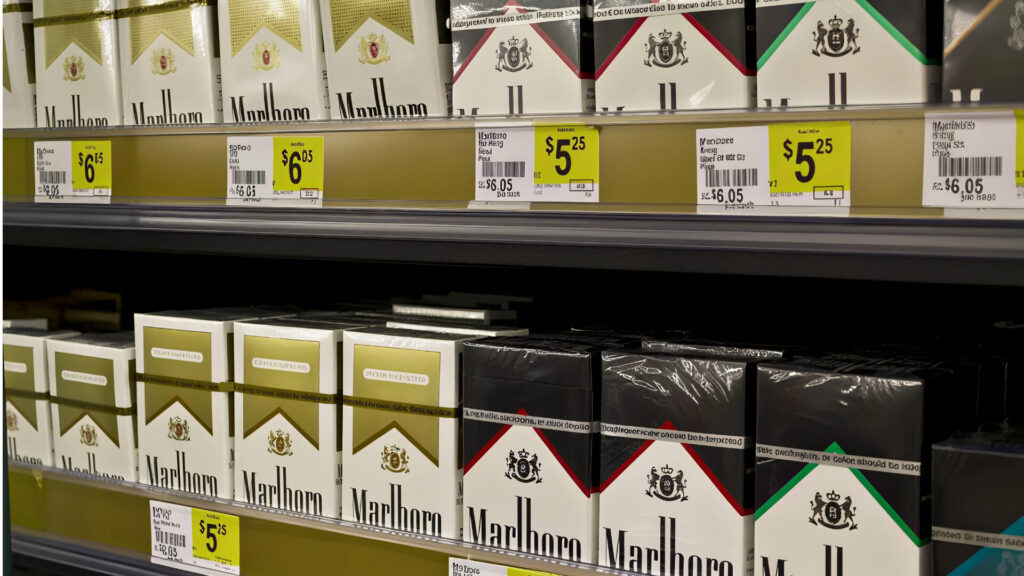
Cigarettes are a special product because they are harmful to human health. To protect their citizens, many governments do not want people to smoke.
They set strict rules for cigarette packaging. The main goal is to warn consumers about the dangers of smoking and stop them from starting or continuing the habit.
Products that do not follow local packaging laws can be banned from sale. For any established cigarette brand, knowing these rules is very important.
This article explains cigarette-related laws and regulations in different countries and regions. It also gives advice on packaging design and compliance, helping you sell your cigarettes legally in your target markets.
The Evolution of Cigarette Packaging Laws: From Marketing Tool to Public Health Strategy
In the past, cigarette brands competed by using eye-catching and luxurious packaging. Over time, governments noticed how this marketing influenced smoking rates. To fight this, many countries have introduced strict packaging laws. A major shift came with the rise of plain packaging requirements. Plain packaging bans logos, colors, and other branding elements, forcing manufacturers to use standard fonts and dull colors, often with large health warnings. This evolution shows how regulations have moved from allowing aggressive marketing to restricting packaging as a way to protect public health.
The High Cost of Non-Compliance: Risks and Real-World Examples
Failing to follow local packaging regulations can have serious consequences for cigarette brands. In some countries, authorities have banned the sale of non-compliant products outright. For example, shipments of cigarettes have been rejected at borders because they did not meet packaging standards, leading to major financial losses. Companies have also faced large fines for ignoring local laws. These real cases highlight the importance of staying up to date with regulations to avoid losing market access and damaging a brand’s reputation.
A notable case is the EU’s updated Tobacco Products Directive (TPD2) in 2016, countries such as France implemented strong penalties. Under France’s Order No. 2016‑623 (transposing EU TPD2), any tobacco product sold without correct health warnings can result in:
- €100,000 fine and product seizure for first-time violations
- €200,000 fine and a ban on sale for up to five years for repeat offenses
Resource: https://www.tobaccocontrollaws.org/legislation/france/packaging-labeling/penalties
Key Packaging Elements Regulated Worldwide
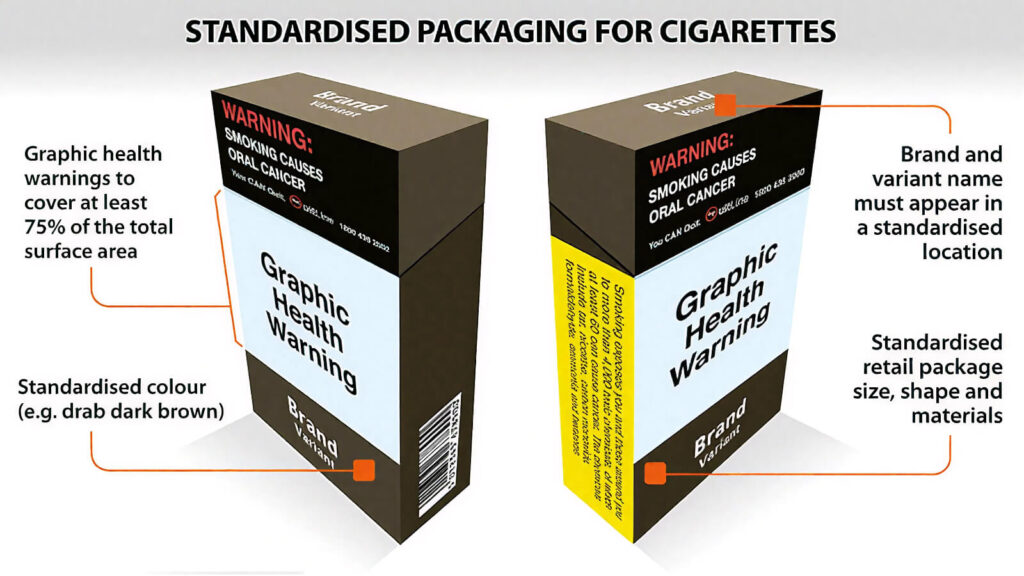
Before designing or producing cigarette packaging for any market, it’s essential to understand which elements are most commonly regulated around the world. These rules aim to reduce the appeal of tobacco products and ensure consumers are fully aware of health risks. Below are key aspects of packaging that are often strictly controlled by law.
Health Warnings (Text + Images)
Most countries require clear health warnings on cigarette packs. These warnings often include shocking images and direct messages about the dangers of smoking, such as “Smoking kills” or “Smoking causes cancer.”
Font Size, Placement, and Coverage
Laws typically set rules for the minimum font size of warnings, where they must appear on the pack, and what percentage of the front and back surfaces they should cover—often 50% or more.
Use of Colors, Logos, Brand Names, and Trademarks
Many regulations limit or ban the use of bright colors, logos, or fancy fonts that could make cigarettes more attractive, especially to young people. Brand names are often restricted to standard font and size.
Standardized Packaging Requirements (e.g., Plain Packaging)
Some countries, like Australia and the UK, enforce plain packaging laws. These require all cigarette packs to look the same with standardized colors (usually dull brown or green), no logos, and only the brand name in a standard font.
Banned Elements (e.g., Misleading Descriptors)
Terms like “light,” “mild,” or “low tar” are banned in many places because they mislead consumers into thinking these products are less harmful. Other banned elements include promotional slogans and images that glamorize smoking.
Regional Regulations: A Comparative Guide to Global Standards

Asia: Diverse Regulations from Strict to Lenient Markets
Asia shows significant variation in cigarette packaging regulations. Countries like Thailand and India enforce some of the world’s strictest rules, requiring graphic health warnings covering up to 85% of the pack and, in Thailand’s case, mandatory plain packaging. In contrast, markets like China and Japan have more lenient standards, typically relying on smaller text-only warnings and allowing branded packaging. Indonesia sits in between, requiring pictorial warnings but still permitting colorful branding. Understanding these differences is essential for any brand seeking compliance across Asian markets.
Thailand
Thailand has some of the world’s strictest tobacco packaging laws. Under the Tobacco Products Control Act B.E. 2560 (2017) and Ministry of Public Health regulations, cigarette packs must display graphic health warnings covering 85% of the front and back surfaces. Since September 2019, plain packaging has also been mandatory, banning all branding elements, logos, and colors, with only the brand name allowed in a standard font.
Resource: https://www.tobaccocontrollaws.org/legislation/thailand/packaging-labeling
India
India’s Cigarettes and Other Tobacco Products (Packaging and Labelling) Rules, 2008—last amended in 2020—require graphic health warnings covering 85% of the front and back of cigarette packs. Of this, 60% must be pictorial warnings and 25% text warnings, using government-specified images that are updated periodically.
Resource: https://www.tobaccocontrollaws.org/legislation/thailand/packaging-labeling
China
China’s Regulations on the Implementation of the Tobacco Monopoly Law, Article 32, along with standards from the State Tobacco Monopoly Administration, require text-only health warnings covering at least 35% of the front of the pack. Graphic warnings are not mandated. The required warnings include statements like “Smoking is harmful to your health.”
Resource: https://www.tobaccocontrollaws.org/legislation/china/laws
Japan
Japan’s Ministry of Health, Labour and Welfare, under the Health Promotion Act, requires cigarette packs to carry text health warnings only, such as “Smoking is harmful to your health” (“喫煙はあなたにとって健康を損ないます”), with no obligation for graphic images or plain packaging.
Resource: https://www.tobaccocontrollaws.org/legislation/policy-fact-sheets/japan/packaging-labeling
Indonesia
Indonesia’s Ministry of Health, through Government Regulation No. 109/2012, mandates pictorial health warnings covering at least 40% of the front and back of cigarette packs. However, other parts of the pack may still display branding and colors, making Indonesia’s rules less restrictive than those of stricter Southeast Asian neighbors.
Resource: https://www.tobaccocontrollaws.org/legislation/policy-fact-sheets/indonesia/packaging-labeling
Europe: Harmonized EU Standards and Independent UK Rules
Europe enforces some of the world’s most harmonized and stringent tobacco packaging standards, especially within the European Union. The EU’s Tobacco Products Directive (TPD2) mandates large combined text and pictorial health warnings covering at least 65% of the front and back of cigarette packs, bans misleading descriptors like “light” or “mild,” and imposes strict placement and formatting rules. Since Brexit, the UK has implemented its own plain packaging legislation with requirements closely aligned to, but administered separately from, EU standards. Brands selling in Europe must pay close attention to these regulations, as violations can lead to severe fines and loss of market access.
France
As an EU member state, France follows the EU Tobacco Products Directive 2014/40/EU (TPD2), requiring combined pictorial and text health warnings covering 65% of the front and back surfaces of cigarette packs. France has also implemented plain packaging since January 2017, prohibiting all branding elements, colors, and logos except the brand name in a standard font.
Germany
Germany also enforces TPD2 requirements, mandating 65% combined health warnings on cigarette packs and banning misleading descriptors. However, unlike France, Germany does not currently require plain packaging, allowing branded packs as long as they comply with warning size and placement rules.
United Kingdom
Following Brexit, the UK introduced The Standardised Packaging of Tobacco Products Regulations 2015, which came into full effect in May 2017. This legislation mandates plain packaging for all tobacco products, requires pictorial and text health warnings covering at least 65% of the pack, bans misleading terms, and standardizes pack colors (typically Pantone 448C, a dull brown). The UK regulations are now enforced independently of the EU but remain closely aligned in content.
Other EU Member States
All EU member states must comply with TPD2, but enforcement dates and minor details vary by country. Countries like Ireland and Belgium have also introduced plain packaging laws, while others, such as Spain and Italy, enforce the TPD2 requirements for health warnings and descriptors but have not yet mandated plain packaging.
North America: Contrasts Between Canada’s Strictness and US Delays
North America presents a stark contrast between two major markets: the United States and Canada. While Canada has implemented some of the strictest tobacco packaging regulations in the world, including plain packaging and warnings directly on individual cigarettes, the United States continues to lag behind. Legal challenges have delayed graphic warning requirements in the US, leaving only small text warnings in place. These significant differences mean brands operating in both countries must carefully adapt their packaging strategies to comply with each market’s unique legal landscape.
United States
In the US, the Family Smoking Prevention and Tobacco Control Act of 2009 granted the Food and Drug Administration (FDA) authority over tobacco products. The FDA finalized rules in 2020 requiring large graphic health warnings covering at least 50% of the front and back of cigarette packs; however, multiple court cases have delayed implementation indefinitely. As of now, cigarette packs only need to carry one of several small text-only warnings occupying less than 30% of the front or side panels, often in small fonts that are easy to overlook.
Canada
Canada enforces some of the world’s strictest tobacco packaging laws. Since 2020, plain packaging has been mandatory under the Tobacco Products Regulations (Plain and Standardized Appearance). Cigarette packs must carry combined pictorial and text warnings covering 75% of the front and back. In 2023, Canada became the first country to require health warnings directly printed on every individual cigarette, stating messages such as “Cigarettes cause cancer.” Canada also updates the required warning images periodically to maintain effectiveness.
Resource: https://laws.justice.gc.ca/eng/regulations/SOR-2019-107/page-1.html
Latin America: Pioneering Plain Packaging and Strong Warnings
Latin America has emerged as a global leader in aggressive tobacco control, with several countries adopting some of the world’s strictest cigarette packaging regulations. Brazil and Uruguay, in particular, have pioneered bold measures such as large pictorial warnings and plain packaging, setting a strong precedent for the region. Across Latin America, however, regulations vary significantly, requiring careful market-by-market compliance strategies for any brand selling tobacco products.
Brazil
Brazil has some of the toughest packaging requirements worldwide. Under Brazil’s National Health Surveillance Agency (ANVISA) Resolution RDC No. 195/2017, cigarette packs must display pictorial health warnings covering 100% of one side of the pack. The warnings rotate annually and include graphic images highlighting severe health risks. While Brazil has not yet mandated plain packaging, it strictly prohibits misleading descriptors such as “light” or “mild” and imposes detailed restrictions on branding elements.
Resource: https://www.gov.br/anvisa/pt-br/english/regulation-of-products/tobacco-products
Uruguay
Uruguay became the first country in the Americas to implement plain packaging, starting in December 2019 under Presidential Decree No. 120/019. All cigarette packs must have a standardized brown color, with only the brand name displayed in a uniform font. Health warnings must cover 80% of the front and back of the pack with rotating pictorial and text warnings. Uruguay also limits each tobacco brand to a single variant to prevent misleading marketing through multiple brand styles.
Resource: https://www.tobaccofreekids.org/press-releases/uruguay-plain-packaging-roll-back
Mexico
Mexico’s 2021 amendments to its General Law for Tobacco Control require pictorial health warnings covering 75% of the front and back of cigarette packs. These warnings are updated regularly and must be in Spanish with government-specified images and text. While plain packaging is not yet mandatory, recent proposals aim to introduce standardized packaging similar to Uruguay’s model.
Resource: https://www.tobaccocontrollaws.org/legislation/mexico/laws
Argentina
Argentina’s National Tobacco Control Law No. 26.687 and related regulations mandate pictorial health warnings covering at least 50% of the front and back of cigarette packs, updated every 12–18 months. The law prohibits misleading terms like “low tar” or “light” but does not currently require plain packaging.
Resource: https://www.tobaccocontrollaws.org/legislation/policy-fact-sheets/argentina/packaging-labeling
Africa & Middle East: Evolving Standards Amid Diverse Enforcement
The Africa and Middle East region shows significant diversity in tobacco packaging regulations. While some countries have implemented strict controls with large pictorial warnings and detailed labeling requirements, others still have minimal or inconsistently enforced standards. However, driven by global health initiatives, more countries are moving toward tougher regulations. For brands operating in these markets, keeping pace with fast-evolving rules is essential to maintain compliance and avoid legal or reputational risks.
South Africa
Under South Africa’s Tobacco Products Control Act 83 of 1993 and related amendments, cigarette packs must display combined text and pictorial health warnings covering at least 50% of the front and back. Although plain packaging has been proposed through the Control of Tobacco Products and Electronic Delivery Systems Bill, it has not yet become law.
Resource: https://www.tobaccocontrollaws.org/legislation/policy-fact-sheets/south-africa/packaging-labeling
Egypt
Egypt began requiring graphic health warnings in 2008 under Ministerial Decree No. 443/2008. Currently, warnings must cover 50% of both the front and back of cigarette packs and include both images and Arabic text messages. Enforcement has improved over time, but challenges remain in rural markets.
Turkey
Turkey enforces strict packaging laws under Law No. 4207 on the Prevention and Control of Hazards of Tobacco Products. Since 2019, plain packaging has been mandatory, requiring standardized drab brown packs with combined pictorial and text health warnings covering 85% of the front and back. This makes Turkey one of the most aggressive countries in the region for tobacco packaging controls.
Resource: https://www.tobaccocontrollaws.org/legislation/policy-fact-sheets/turkey/packaging-labeling
Saudi Arabia
Saudi Arabia implemented plain packaging for tobacco products in 2019, becoming the first Gulf country to adopt standardized packs. Packs must include combined pictorial and text health warnings covering at least 65% of the front and back, with standardized colors and fonts. Enforcement has generally been strict, supported by regular inspections.
Resource: https://www.tobaccocontrollaws.org/laws/plain-pkg-standard-saudi-arabia
Nigeria
Nigeria’s National Tobacco Control Regulations (2019) require combined text and pictorial health warnings covering 50% of the front and back of cigarette packs. Enforcement capacity varies by region, but there is increasing government and civil society pressure to improve compliance and move toward plain packaging.
Resource: https://www.tobaccocontrollaws.org/legislation/policy-fact-sheets/nigeria/packaging-labeling
Comparative Table: Cigarette Packaging Regulations by Country
| Region | Country | Warning Coverage | Pictorial Warnings | Plain Packaging | Misleading Descriptors Banned | Notes |
| Asia | Thailand | 85% | Yes | Yes (2019) | Yes | Among the strictest globally |
| Asia | India | 85% | Yes | No | Yes | 60% pictorial + 25% text warnings |
| Asia | China | 35% | No | No | No | Text-only warnings |
| Asia | Japan | Small text | No | No | Limited | Text warnings only, no graphics |
| Asia | Indonesia | 40% | Yes | No | Partial | Branding still allowed |
| Europe | France | 65% | Yes | Yes (2017) | Yes | Follows EU TPD2, strict enforcement |
| Europe | Germany | 65% | Yes | No | Yes | Complies with TPD2 but no plain packs |
| Europe | UK | 65% | Yes | Yes (2017) | Yes | Independent regulations post-Brexit |
| Europe | Ireland | 65% | Yes | Yes (2017) | Yes | Early EU adopter of plain packaging |
| Latin America | Brazil | 100% (one side) | Yes | No | Yes | Rotating images annually |
| Latin America | Uruguay | 80% | Yes | Yes (2019) | Yes | First in Americas to adopt plain packaging |
| Latin America | Mexico | 75% | Yes | Proposed | Yes | Proposals for plain packaging in progress |
| Latin America | Argentina | 50% | Yes | No | Yes | Updated warnings every 12–18 months |
| Africa & ME | South Africa | 50% | Yes | Proposed | Yes | Bill proposes plain packaging |
| Africa & ME | Egypt | 50% | Yes | No | Yes | Pictorials since 2008 |
| Africa & ME | Turkey | 85% | Yes | Yes (2019) | Yes | One of strictest outside EU |
| Africa & ME | Saudi Arabia | 65% | Yes | Yes (2019) | Yes | First Gulf country with plain packs |
| Africa & ME | Nigeria | 50% | Yes | No | Yes | Enforcement varies by region |
How Packaging Laws Reshape Design and Supply Chains

Tobacco packaging laws don’t just affect the final look of a cigarette pack — they fundamentally reshape the entire design and production process. Strict and varying regulations across countries create complex challenges for designers, manufacturers, and supply chain managers. Brands must navigate creative limitations, material restrictions, and increased costs while ensuring every pack complies with local laws. Below are the key ways in which regulations impact the packaging workflow from design through production.
Design Process Limitations
Strict packaging laws greatly reduce creative freedom for designers. Brands must follow specific rules on colors, fonts, and layouts. Every new design often requires a legal review to ensure it complies with local regulations, adding time and complexity to the design process.
Material and Printing Constraints
Regulations can dictate the finish and materials used for cigarette packs. For example, matte surfaces are sometimes required to prevent glossy, attractive packaging. Embossing or special effects that highlight branding may be prohibited. These restrictions limit choices in printing techniques and materials.
Importance of Supplier Alignment
Compliance is not only a design issue but also a manufacturing one. Packaging suppliers must fully understand local laws so they can produce packs that meet legal standards. Close cooperation between brands and suppliers is essential to avoid mistakes that could result in non-compliant products.
Cost Burden of Market-Specific Redesigns
Brands selling cigarettes in multiple countries face significant costs to adapt packaging for each market. Redesigning packs to match different regulations, creating separate production runs, and managing inventory for each version can greatly increase expenses and logistical complexity.
Common Mistakes in Tobacco Packaging Compliance — and How to Avoid Them
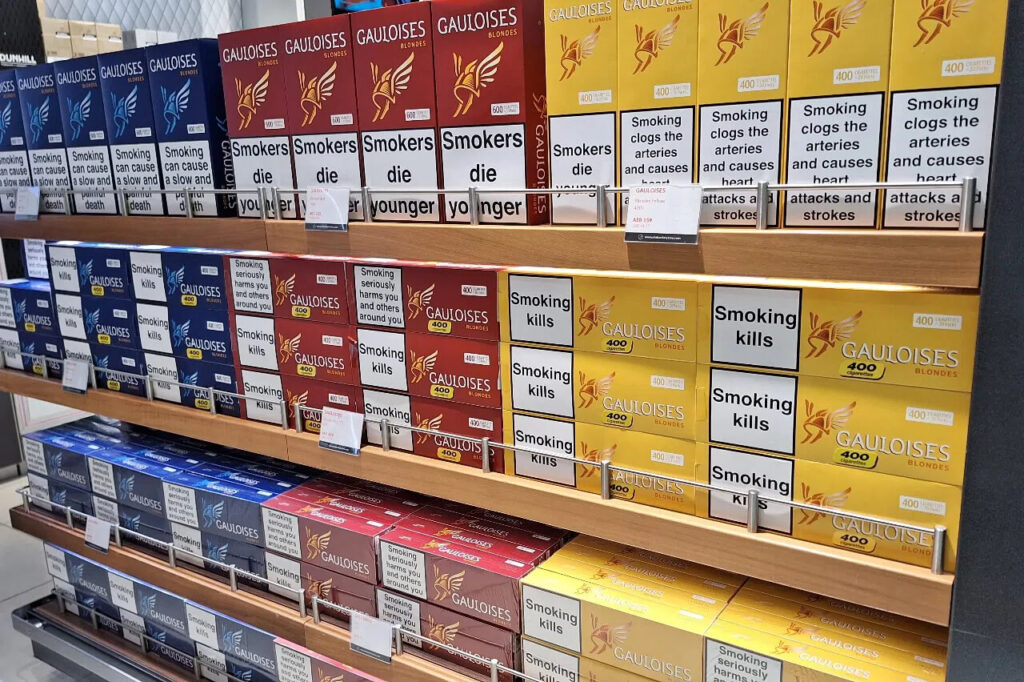
Even with the best intentions, many brands stumble when navigating complex cigarette packaging laws. Mistakes can lead to costly recalls, fines, or bans from key markets. Recognizing common challenges in advance is critical for maintaining compliance and avoiding unnecessary risks. Below are frequent pitfalls companies should watch out for when designing, producing, and distributing cigarette packaging internationally.
Using Outdated Regulatory Information
One of the biggest risks is relying on old laws or outdated guidance. Regulations change frequently, and packaging that was compliant a few years ago may now be illegal.
Confusing Voluntary Guidelines with Mandatory Rules
Some organizations publish voluntary recommendations that are not legally binding. Mistaking these for enforceable regulations can lead to unnecessary design changes or, worse, missing critical requirements.
Designing “Universal” Packaging Without Considering Regional Differences
Trying to create a single, global packaging design often leads to non-compliance. Many countries have unique requirements that cannot be covered by a one-size-fits-all approach.
Overlooking Accurate Translations of Non-English Warnings
Incorrect or poor-quality translations of health warnings can cause packs to fail inspections. Exact wording matters, and even small mistakes can result in product recalls or fines.
Best Practices for Achieving Global Compliance and Successful Market Entry

Successfully navigating the complex world of international cigarette packaging laws requires more than just knowing the regulations — it demands a proactive and strategic approach. By embedding compliance into every stage of the packaging process, brands can minimize risks, streamline operations, and build trust in global markets. The following best practices will help you stay ahead of evolving laws and maintain seamless compliance across countries.
Build a Regulation-Centered Packaging Design Process
Integrate regulatory checks into every step of your design process. Start by reviewing local laws before concept development and ensure every draft passes a compliance review.
Stay Updated on Regulatory Changes
Use reliable tools like regulatory trackers and the WHO FCTC database to monitor changes in cigarette packaging laws worldwide. Keeping your information current is essential for avoiding costly mistakes.
Work with International Legal and Compliance Experts
Collaborate with advisors who specialize in tobacco regulations across multiple countries. Their expertise helps you navigate complex local requirements and avoid common pitfalls.
Maintain Version Control and Documentation for Each Market
Create and store separate packaging files and records for every country you operate in. Documenting design approvals and legal checks ensures quick updates when regulations change and protects you during audits.
Partner with Professional Cigarette Packaging Solution Providers
Work with experienced packaging manufacturers and suppliers who understand tobacco industry standards. They can help design and produce compliant packs efficiently, reducing your risk of non-compliance.
Partner with Ruenfo for Compliant, Impactful Cigarette Packaging Solutions
Navigating the complexities of global cigarette packaging regulations demands not only up-to-date knowledge of ever-changing laws but also the ability to translate these requirements into high-quality, compliant packaging that elevates your brand. From Asia’s graphic-heavy warnings to Europe’s strict plain packaging mandates, each market presents unique challenges that can impact your success if not handled with precision.
At Ruenfo, we bring decades of specialized experience in cigarette packaging design and production, ensuring your packs meet all local legal requirements while effectively communicating your brand identity. Our skilled designers, regulatory experts, and advanced manufacturing facilities work together to turn your ideas into packaging that is both compliant and captivating. We pride ourselves on helping brands expand confidently into new markets without fear of costly mistakes or delays.
If you have any questions about cigarette packaging regulations or need support designing compliant packs tailored to your target countries, don’t hesitate to reach out. Our professional technical and customer service teams are always ready to provide personalized assistance and guide you through every step of the process. Let Ruenfo be your trusted partner in global cigarette packaging success.
Frequently Asked Questions on Global Cigarette Packaging Compliance
Can I use metallic finishes or embossing on cigarette packaging in the EU?
No. EU regulations restrict design elements that could make tobacco products more attractive, including metallic finishes, embossing, and special effects.
Do health warning labels also apply to cigars and e-cigarettes?
Yes. Many countries extend health warning requirements to cigars, cigarillos, and electronic cigarettes, although exact rules vary by product and market.
Can one packaging design work for multiple countries?
Rarely. Differences in required warning sizes, languages, and other regulations mean that most markets need a customized design to stay compliant.
How often do cigarette packaging laws change?
Packaging laws can change every few years, but in some countries, major updates happen with little notice. It’s essential to track regulations regularly.
What happens if I sell non-compliant packaging?
Penalties can include fines, forced product recalls, import bans, or losing licenses to sell in certain markets.
Is plain packaging mandatory everywhere?
No. Plain packaging is only mandatory in certain countries, such as Australia, the UK, Canada, and a few others. Many countries still allow branded packaging but with strict warning requirements.